

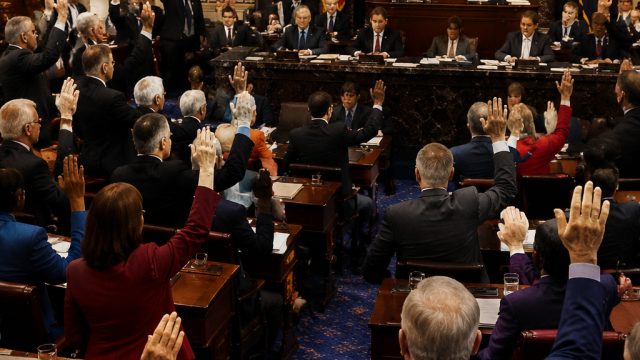
In a remarkable display of bipartisan cooperation, the U.S. Senate recently voted to limit the war powers of President Trump concerning Iran, a move that marks a significant shift in the balance of authority between Congress and the Executive Branch. This decision comes amid rising tensions in the Middle East and is crucial for safeguarding democratic processes and preventing unilateral military engagements.
Background of the Conflict
The tensions between the United States and Iran have been escalating since President Trump withdrew from the Iran nuclear deal in 2018. The subsequent imposition of sanctions and military actions have led to a volatile situation, raising concerns among lawmakers regarding the president's authority to act without congressional approval.
The Senate Vote: A Bipartisan Effort
The recent vote in the Senate, which saw support from four Republican senators, demonstrates a growing concern among lawmakers about unchecked military engagement. The resolution aims to curtail the president's ability to initiate military action against Iran without congressional consent.
Key Points of the Resolution
- The resolution directs the president to withdraw U.S. troops engaged in hostilities with Iran.
- It emphasizes the need for clear congressional approval for any further military actions.
- It reflects a broader desire among legislators to reclaim their war powers as outlined in the Constitution.
Why This Matters Now
The implications of this Senate vote are profound. In an era where military conflicts are often initiated without thorough deliberation, this resolution emphasizes the necessity of checks and balances in U.S. governance. Critics of the administration argue that unchecked military authority can lead to unnecessary conflicts and increased risks to American lives abroad.
Public and Political Reactions
The public response to this decision has been mixed. Many Americans support measures that limit presidential war powers, believing that such actions should require broader consensus among elected representatives. Conversely, some critics argue that the resolution could hinder the Executive's ability to respond swiftly to threats.
Looking Ahead: What Comes Next?
This vote is just the beginning of a larger national conversation about military authority and congressional oversight. As tensions with Iran continue to simmer, the Senate's action may set the tone for future U.S. foreign policy and military strategy. With ongoing debates about the role of the military in foreign relations, we can expect more discussions and potential legislative actions aimed at refining the war powers granted to the president.
Conclusion
The Senate's decision to limit Trump's war powers concerning Iran is a pivotal moment in U.S. politics, highlighting the importance of a collaborative approach to military engagement. As the situation evolves, it will be critical to monitor how this resolution affects U.S. foreign policy and the ongoing relationship between Congress and the Executive Branch. The need for dialogue and careful consideration in matters of war and peace has never been more urgent.
