

The Need for Sustainable Practices in Australia’s Agriculture: A Critical Debate
In recent weeks, Australia’s agricultural landscape has been at the forefront of a significant discussion revolving around sustainable farming practices. As the world increasingly shifts towards environmentally sound methods of production, the Australian agricultural sector finds itself grappling with modern challenges that call for immediate action.
The H5N1 Bird Flu Outbreak and Its Implications
Western Australia has recently witnessed a troubling outbreak of H5N1 bird flu, prompting lockdowns on poultry farms. The death of a second wild bird from this virus has sparked urgent conversations about the health of the industry. Poultry farmers are now facing heightened restrictions to prevent further spread, which raises questions on how prepared the sector is for such crises.
Understanding the Risks
- Increased biosecurity measures affect operational costs.
- Poultry supplies may dwindle, leading to higher prices for consumers.
- Wildlife health is at stake, affecting biodiversity.
Debate on Agricultural Practices: One Nation's Monoculture Approach
The recent comments by Senator Jonno Duniam regarding Pauline Hanson’s push for monoculture farming practices have ignited debates about the sustainability of such an approach. Monoculture, or the cultivation of a single crop over a wide area, is argued by many experts to be a short-sighted strategy that could lead to long-term soil degradation and increased vulnerability to pests and diseases.
Why This Matters Now
With the ongoing pressures from climate change and global food demands, the need for diverse agricultural practices is more relevant than ever. Here are a few reasons why:
- Environmental Resilience: Diverse crops can better withstand climate fluctuations.
- Soil Health: Crop rotation improves nutrient content and reduces erosion.
- Economic Stability: Varied crops can reduce risks associated with market fluctuations and crop failures.
The Future of Agriculture in Australia
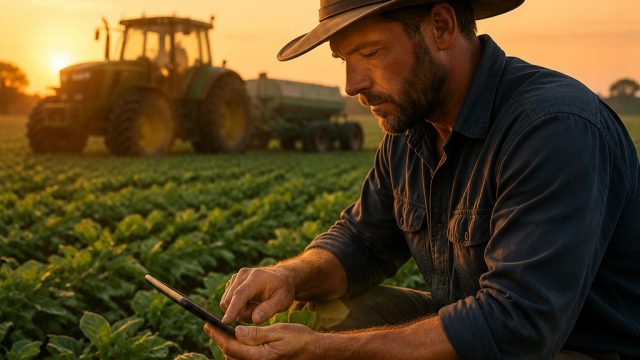
As we navigate these critical conversations, it is essential to consider the role of technology and innovation in shaping the future of Australian agriculture. The integration of modern methods, such as precision farming and sustainable pest management, can lead to more efficient practices that prioritize both productivity and environmental health.
Innovations on the Horizon
- Precision agriculture techniques to optimize resource use.
- Use of drones for monitoring crop health.
- Development of drought-resistant crop varieties.
Conclusion: A Call for Action
The intersection of agriculture, environment, and economy demands urgent attention. The current challenges facing the poultry industry in Australia, alongside broader discussions about agricultural practices, highlight the need for sustainable approaches. Stakeholders, from policymakers to farmers, must collaborate to ensure a resilient agricultural sector that meets not only the needs of today but also the demands of future generations.
As we witness the unfolding of these events, it remains crucial for everyone involved to reflect on the long-term implications of their practices and decisions. Only through a commitment to sustainability can Australia cultivate a thriving agricultural landscape.
