

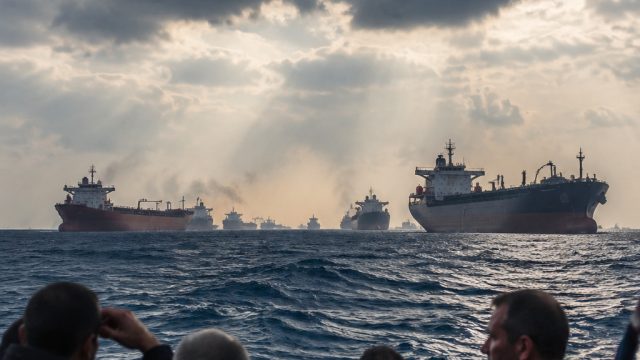
In a dramatic escalation of tensions in the Middle East, maritime operations are underway to evacuate sailors stranded in the volatile waters of the Strait of Hormuz. This critical maritime route, through which a significant portion of the world's oil supply travels, is now the center of a geopolitical standoff between the United States and Iran. The United Nations has announced an immediate evacuation plan, but the situation remains complex and fraught with uncertainty.
Background of the Situation
The Strait of Hormuz has long been a flashpoint in US-Iran relations, especially in recent years as both nations have engaged in a series of diplomatic spats and military posturing. The current crisis has been exacerbated by sanctions and threats exchanged in the wake of Iran's controversial nuclear program, which have stirred fears of a renewed conflict in the region.
Evacuation Plans and Maritime Safety
- The United Nations has initiated a plan to evacuate the crew members of ships stranded due to the tense maritime situation.
- This move comes after several vessels found themselves trapped, unable to navigate safely through the militarized waters.
- International maritime organizations are monitoring the situation closely, emphasizing the importance of safety for all seafarers in the region.
The Role of the US and Iran
As negotiations and tensions continue to unfold, the United States has reiterated its commitment to ensuring maritime freedom in the region. However, Iran has responded defiantly, asserting its rights over the waters and warning of increased military presence. This tug-of-war not only jeopardizes the safety of vessels but also poses a risk to global oil prices, as any disruption could reverberate through the global economy.
Implications for Global Trade and Security
The ongoing standoff holds significant implications for international trade, energy markets, and global security. With the Strait of Hormuz accounting for approximately 20% of the world’s oil trade, any disruption could lead to soaring prices and instability in energy supplies. Analysts warn that continued tensions could trigger a broader crisis.
What Lies Ahead?
As the evacuation operation commences, uncertainties linger. Will the US and Iran find common ground, or are we on the brink of another escalation? The coming days will be crucial. Stakeholders across various sectors are urged to follow developments closely, particularly in the finance and energy markets, as shifts in geopolitical dynamics could have immediate repercussions.
Advice for Businesses and Investors
- Monitor updates from reliable news sources about the status of the evacuation and any potential changes in military presence.
- Consider hedging against rising oil prices if dependence on oil markets is a concern.
- Stay informed about global trade routes that might be affected by the situation.
Conclusion: A Strained Maritime Landscape
The situation in the Gulf continues to evolve as nations navigate the complexities of diplomacy and military strategy. While the immediate focus remains on the safety of the stranded ships and their crew, the broader implications of this standoff underscore the intricate balance of global power and trade. As we watch these developments unfold, the world must grapple with the consequences of geopolitical tensions that reach far beyond the Gulf.
