

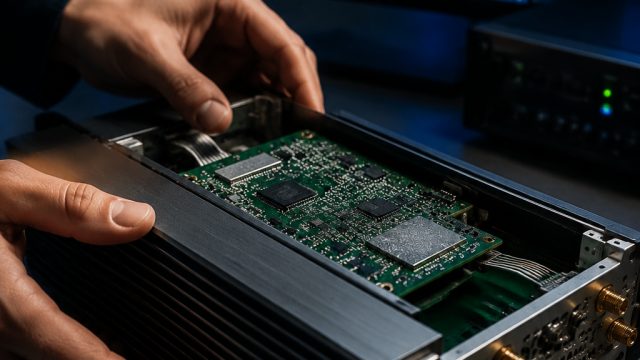
In the rapidly advancing world of technology, understanding the unseen spectrum around us is becoming increasingly vital. The QuadRF tile, powered by the Raspberry Pi 5, represents a significant leap in radio signal visualization technology. This innovative software-defined radio (SDR) system not only empowers hobbyists and tech enthusiasts but also has profound implications for various industries. As it gears up for crowdfunding, QuadRF is set to change how we interact with the radio frequency (RF) environment.
What is QuadRF?
QuadRF is a 4×4 MIMO software-defined radio tile that utilizes the capabilities of the Raspberry Pi 5 single-board computer. It acts as a real-time RF camera, enabling users to visualize radio signals in their immediate surroundings. This technology allows users to see RF signals from multiple sources such as Wi-Fi routers, smartphones, and even drones through an augmented reality application on their mobile devices or computers.
How Does It Work?
- Real-Time Signal Processing: QuadRF employs four coherent antennas to capture and analyze RF signals simultaneously.
- Augmented Reality Integration: The system overlays live RF data onto a user’s view, all rendered at an impressive 30 frames per second.
- Advanced Hardware: It features a Lattice ECP5 FPGA for effective digital signal processing and beamforming, along with Analog Devices mixers for upconversion and downconversion.
The Importance of RF Visualization
Understanding and visualizing radio signals is crucial for numerous applications in today's tech-driven society. Here are several reasons why QuadRF's capabilities are particularly timely:
1. Enhanced Connectivity Insights
As our homes and workplaces become increasingly interconnected through smart devices, knowing how these devices communicate can optimize network performance. With tools like QuadRF, users can identify crowded frequencies and potential sources of interference, leading to improved connectivity and faster internet speeds.
2. Security and Surveillance Applications
With rising concerns over privacy and security, QuadRF offers a unique perspective on the RF landscape. Users can detect unauthorized devices within their environments, enabling proactive measures to safeguard personal and organizational data.
3. Educational Use Cases
For educators and students in the fields of telecommunications and electronics, QuadRF serves as an invaluable learning tool. It provides hands-on experience with software-defined radio technology, fostering a deeper understanding of RF communications.
Future Possibilities and Crowdfunding
As QuadRF approaches its crowdfunding launch, the excitement surrounding this technology continues to grow. The potential applications of the system span various fields, including:
- Research and Development: Scientists can utilize QuadRF for experimental setups in wireless communications and RF research.
- Emergency Services: Enhanced situational awareness for first responders can be achieved through real-time RF signal visualization, improving response times during critical incidents.
- Entertainment and Gaming: Developers might explore new avenues for augmented reality gaming, where players interact with the RF environment in unique ways.
Conclusion
The QuadRF tile represents more than just a technical novelty; it is an emblem of how technology can bridge the gap between the invisible signals that permeate our lives and the tangible knowledge that can empower users. Its crowdfunding initiative marks a crucial step toward democratizing access to RF visualization tools, allowing both enthusiasts and professionals alike to explore the rich, complex world of radio signals. As we await its release, keep an eye on how QuadRF could reshape our understanding of connectivity and communication in the digital age.
