

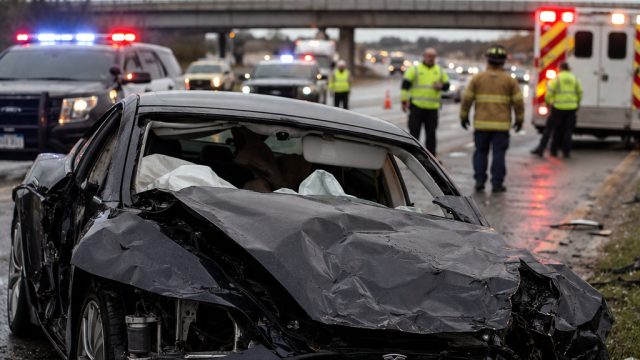
Federal Investigation Launched Following Fatal Tesla Crash in Texas
The automotive industry is again in the spotlight as the National Highway Traffic Safety Administration (NHTSA) initiates a federal investigation into a tragic incident involving a Tesla Model 3. The crash, which took place in a residential neighborhood in Texas, resulted in the death of a 76-year-old woman, reviving concerns regarding the safety of autonomous driving technologies.
The Incident and Immediate Aftermath
On a quiet morning, a Tesla vehicle reportedly utilizing its Autopilot feature collided with a home, leading to a catastrophic outcome. According to local authorities, the vehicle crashed through the front of the house at high speed, causing significant structural damage and resulting in the unfortunate loss of life. Witnesses recounted the chaos, with emergency responders arriving to a scene of destruction and devastation.
Details of the Crash
- Date and Location: The incident occurred in a suburban neighborhood in Texas.
- Victim: A 76-year-old woman, who was found trapped under debris by her family.
- Vehicle Involved: Tesla Model 3, reportedly operating in Autopilot mode during the crash.
Government Response and Investigative Actions
In the wake of this tragic event, the NHTSA announced the opening of an investigation to examine the circumstances surrounding the crash. This probe marks yet another chapter in the ongoing scrutiny of Tesla’s Autopilot feature, which has faced criticism and inquiry over its safety record and the efficacy of its automated driving systems. The agency will assess whether the technology functioned as intended and whether driver error played a role.
Public Reaction and Safety Concerns
The incident has sparked widespread public concern regarding the safety of autonomous vehicles. Critics argue that reliance on technologies like Autopilot can lead to overconfidence among drivers, potentially undermining their attention to road conditions and traffic laws. Advocates for stricter regulations emphasize the need for robust oversight to ensure that such technologies do not pose an undue risk to public safety.
The Broader Context of Autonomous Driving Technology
As the NHTSA investigates this incident, the broader implications for the automotive industry cannot be overlooked. The push for autonomous driving technology has accelerated in recent years, with several companies vying to dominate this emerging market. However, incidents such as this highlight the challenges that come with rapid innovation, including the necessity of comprehensive safety standards and consumer education regarding the limits of such technologies.
Key Considerations Moving Forward
- Regulatory Framework: There is an urgent need for clear regulations surrounding autonomous vehicles.
- Consumer Awareness: Educating consumers about the capabilities and limitations of autonomous driving technology is crucial.
- Industry Accountability: Companies must be held accountable for the safety of their technologies.
Conclusion: What Lies Ahead
The unfortunate crash in Texas has reignited debates on the safety of autonomous driving technologies. As the investigation unfolds, stakeholders will be keenly observing the NHTSA's findings and the implications for Tesla and the broader automotive industry. This incident serves as a sobering reminder of the complexities of integrating advanced technology into everyday life and the continued responsibility that manufacturers hold in safeguarding public safety.
